Part 1 – Knowledge
“Thank you for making me so wonderfully complex! Your workmanship is marvelous— how well I know it.”
Psalms 139:14 (NLT)
Left vs. Right
Back vs. Front
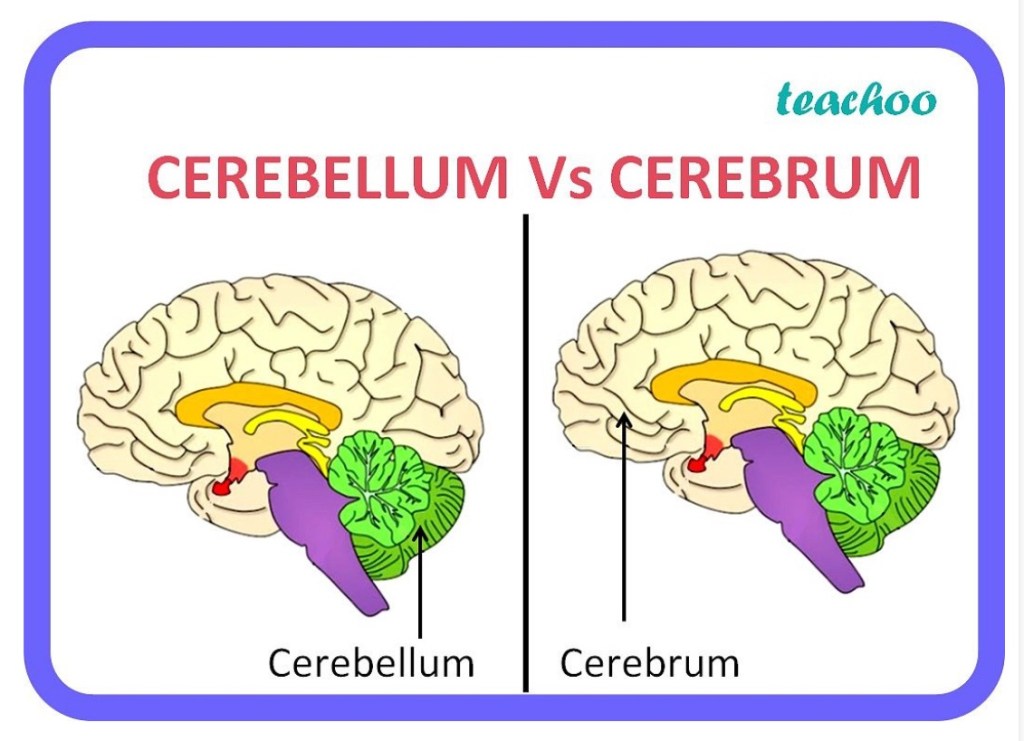
Cerebellum
The cerebellum is located at the back of the brain. It contains more than 50% of the brain’s total neurons and is responsible for coordinating motor functions including voluntary movements, balance, posture, motor control, motor learning, and facilitating rapid, refined movement corrections.
Cerebrum
The cerebrum is located at the front of the brain. It is the largest and most developed part of the brain (approximately 85% of its total mass), and is responsible for higher-level functions, including conscious thought, memory, emotion, reasoning, language, and voluntary movement.
Slow vs. Fast
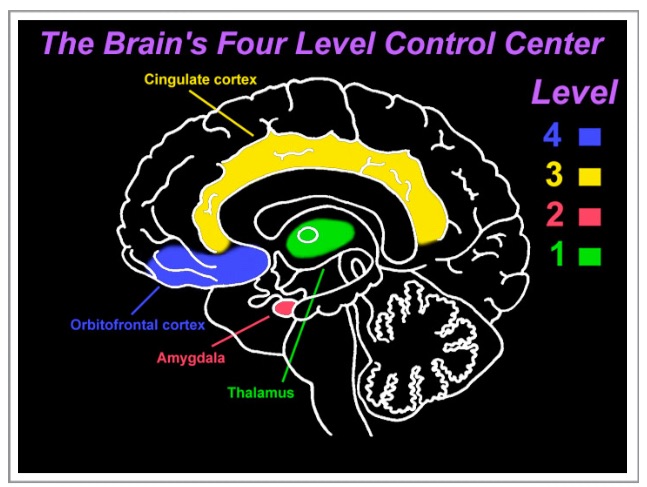
THE FAST-TRACK SYSTEM IN THE BRAIN
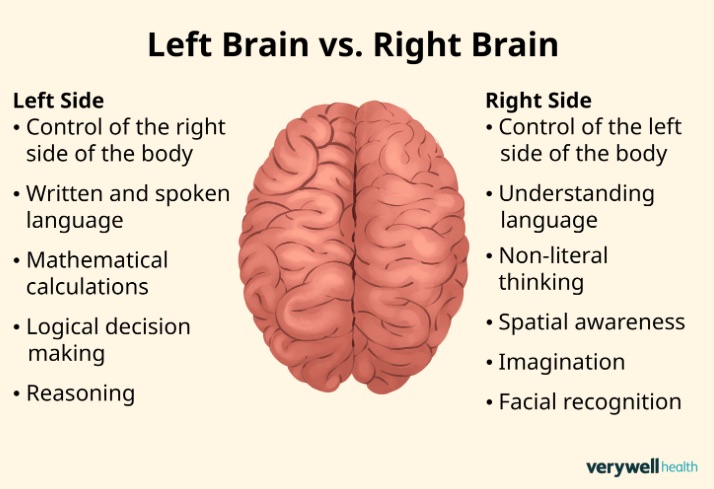
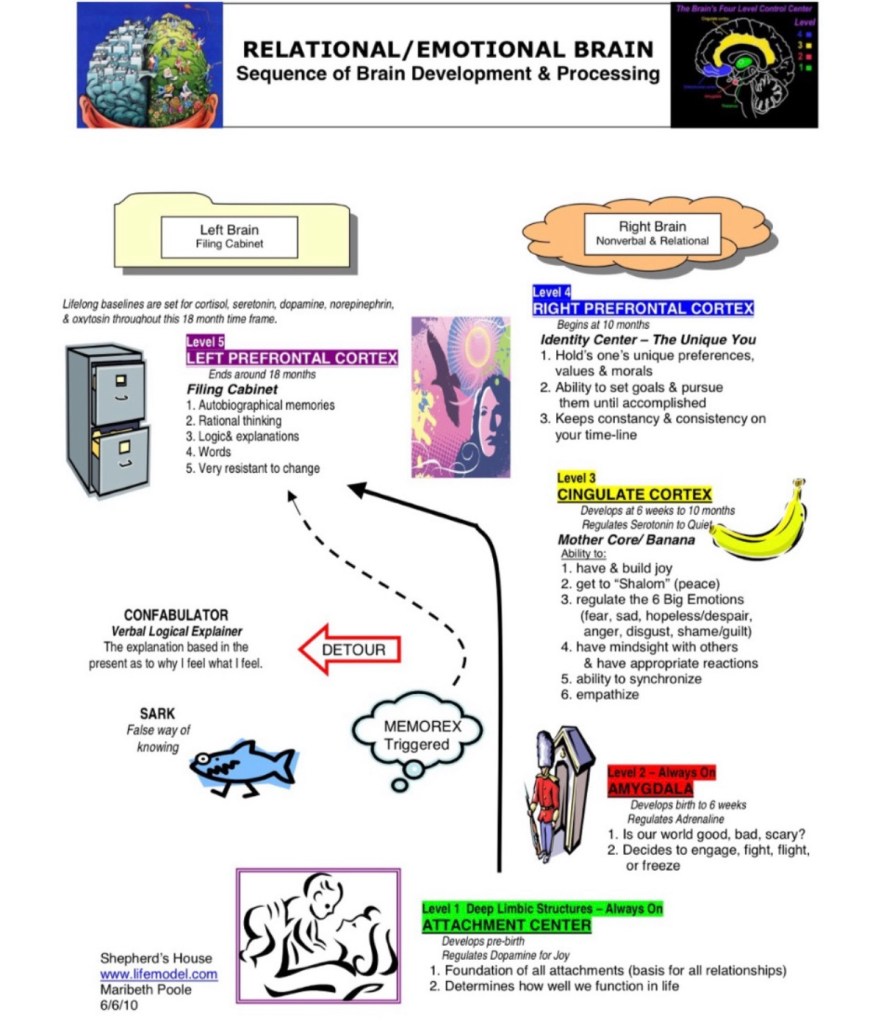
There are two systems in the brain that are often oversimplified as “left brain” and “right brain.” The one that is dominant on the left is the slow-track system. By using conscious thought, the slow-track system operates more slowly, but it is, of course, what we notice consciously.
The slow track is optimized for management. Its primary job is to monitor results and provide explanations and solutions to the problems we face. The slow track gets most of the attention in leadership development. But did you know that there is a system in the brain that operates faster than conscious thought? We call it the fast-track or “master” system.
People have known for years that there are things happening in the brain we cannot quite catch consciously. While most people have been looking below consciousness for that activity, we are only now discovering there is activity above consciousness.
This supra-conscious action does its work faster than we can “keep up” consciously. Its primary job is relational reality. Who am I in my world must be clear before I can think about other things.
The fast-track system controls how we regulate our emotions, how we remember who we are, who our people are, and how it is like us to act (that is, acting like the self God gave us). In other words, it is our identity center. It controls functions related to:
- Identity
- Relational skills
- Motivation
- Care for others
- Emotional control
- Conscience
- Ability to focus
- Values
The fast track does not listen to the words spoken during classroom study because they move too slowly. Words are work for the slow track. The fast track observes what people are doing. This is why we become aware of people and what they are doing before we start thinking about them. Awareness comes first because awareness is a fast-track activity.
HOW THIS WORKS IN THE BRAIN
Both the fast track and slow track in the brain can develop habits. To be a good leader you require a diversity of good habits in both fast (leadership) and slow (management) systems. Habits live in the white matter of the brain, and what gives them their power is that white matter runs up to 200 times faster than gray matter.
Fast—faster—fastest
The conscious thought that we have been calling the “slow track” actually operates fairly fast, updating itself with a new state five times every second. Identity processes we have been calling the “fast track” operate even faster, updating six times every second. But this is all gray matter speed. Gray matter is very flexible and can figure out new reality and paths as it goes. However, to keep from getting bogged down, the brain creates “habits” that are prepackaged responses to known situations. Habits take a month or more to grow because the brain has to wrap the habit nerves in white insulation, and that takes some time. Once the habit is properly insulated, that cluster will run up to 200 times faster than gray matter. Habits are the fastest.
When we look at the brain itself we see the outside covered by gray matter doing its flexible best and the inside of the brain cross-connected with white. These fastest connections are present in both the fast-track and slow-track sides of the brain. We have both leadership and management habits for our lives. When things get tough, the one with the most “good habits” wins.
Each habit is a tool or skill. Both the fast and slow tracks develop habits. This book is about developing habits in the fast-track system because that will optimize the slow-track habits as well. The more we practice our skills, the more natural they become until they happen without a conscious deliberation.
Understanding white matter helps us appreciate why habits are so important. They go into operation before our conscious thought engages. People who build fast-track skills into habits operate with greater love, joy, peace, patience, and self-control. Habit qualities seem to happen automatically because they happen faster than we can think about them.
A well-trained fast-track system allows us to return to joy (restore a relationship) quickly from almost any emotion, remain relational during any crisis, and remember how to act like ourselves no matter how we feel. When this system is not well-trained, we will struggle with all of these skills. To compensate, we will be forced to turn to the conscious-thought slow-track system on the left side of the brain.
Right Control Center
-Robert

